
🚭 VAPERS: WHAT THEY DON’T TELL YOU AND HOW THEY AFFECT YOUR HEALTH
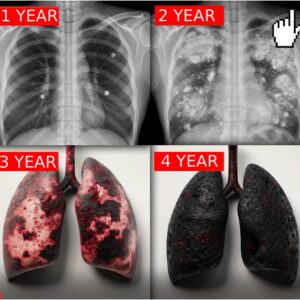
Vaping has become a global phenomenon. It is associated with an image of modernity, discretion and personalisation: sleek devices, fruity or sweet flavours, and advertising targeted at young people and adults as if it were a lifestyle product. However, science warns us: vaping is not harmless and its effects can be devastating in a very short time. Despite vapers being on the market for only a few years, there is already solid evidence of short- and medium-term harm, as well as the emergence of a new serious respiratory syndrome: EVALI.
📦What is a vaper really?
Vapers are electronic devices that heat a liquid to create an aerosol. This aerosol is not water vapour, but a combination of: • Nicotine: a highly addictive substance. • Propylene glycol and vegetable glycerin: a volatile liquid base that irritates the airways when inhaled. • Chemical flavourings and aromas: appealing, but designed for oral, not lung, consumption. • Heavy metals: residues released by coils and resistances (chromium, zinc or tin) Most of these components were not designed to be inhaled. The respiratory system is not prepared to receive mixtures of chemical substances. Even minimal amounts inhaled repeatedly are enough to damage lung tissue.
Type your par☁️ Short-term damage: the deception of 'it's just vapour' The damage does not appear after decades as with conventional tobacco. With vaping: • After a few months, irritation, constant coughing, and a feeling of shortness of breath appear. • Physical performance worsens: activities that were previously easy now require more effort. • Lung defences decrease: macrophages and other protective cells lose effectiveness. This happens because the inhaled aerosol contains microscopic solid particles that settle deep in the lungs. The body tries to defend itself by increasing inflammation and producing more mucus, which makes normal breathing difficult.agraph here
🌫️ Passive vaping: an invisible threat in enclosed spacesThe exhaled vapour also harms non-vapers. Studies have shown that using vapes releases:• PM2.5 particles, capable of penetrating deep into the lungs.• Suspended nicotine.• Irritant and carcinogenic substances derived from internal chemical combustion.When these particles accumulate in enclosed environments — homes, vehicles, bars, rooms — involuntary exposure occurs. It is the equivalent of traditional tobacco "second-hand smoke," but in a chemical form.
What causes EVALI? —
Causes Although its exact mechanism is still under investigation, evidence points to several combined factors:
1.- Harmful substances present in liquids Vaping liquids contain propylene glycol, vegetable glycerin, nicotine, flavourings and preservatives. When heated, these compounds undergo chemical transformations and release: • Acrolein • Acetaldehyde • Formaldehyde All of these are toxic to the respiratory tract and some are known carcinogens.
2.- Oils and additives In numerous cases of EVALI, a connection has been found with liquids containing vitamin E acetate, especially THC products used on the black market. The problem is that: Lungs are not designed to process oils. These oils create a layer that blocks gas exchange and triggers direct tissue damage.
3.- Metals and particles Metal coils release elements such as zinc, chromium or tin. These microscopic particles act co
How does EVALI present?
— Symptoms EVALI does not behave like a slow disease. Its symptoms develop rapidly, within days or weeks:
Respiratory symptoms • Severe difficulty breathing • Chest pain • Persistent cough • Low oxygen saturation
Systemic symptoms • Fever • Nausea • Vomiting and diarrhoea • Extreme fatigue
The combination of respiratory and gastrointestinal symptoms is a very characteristic pattern of EVALI.
What happens if it is not treated? The progression can be serious: • Acute respiratory failure • Emergency hospitalisation • Need for mechanical ventilation • In severe cases, patient death Unlike conventional smoking, EVALI does not require years of use to appear. There have been patients hospitalised after 2–3 weeks of intensive use. ________________________________________
Medium and long term consequences Even after surviving an episode of EVALI, the damage does not always disappear: • Lungs with reduced elasticity • Internal tissue scarring • Greater susceptibility to infections • Permanent reduction in respiratory capacity • Higher risk of chronic conditions In simple terms: the lungs never return to the same state.
Is vaping effective for quitting smoking?
Many users say they use vapes as a “bridge” to stop smoking tobacco, although the reality is very different: • It maintains nicotine dependence. • It leads to a change in habit: more inhalations, longer inhalations, more times per day. • The actual rate of permanent cessation is very low. There are pharmacological therapies, behavioural treatments, and safe medical programmes with clinical evidence. Vaping is not among them. It should not be forgotten that the act of “inhaling” smoke is linked to an emotional deficiency that caused it (usually a lack of maternal affection), which is why inhaling cigarette smoke is associated with breastfeeding. Tobacco use, as well as vaping, attempts to compensate for that deficiency, being no more than an “emotional crutch” that needs to be identified and healed, and through this, the act of smoking is completely eradicated with hardly any effort.
________________________________________
🧭 Conclusions 🔹 Vapes are not just water vapor. They are complex chemical mixtures with real risk. 🔹 Negative effects appear much sooner than believed. 🔹 EVALI shows that vaping can cause serious lung injuries within weeks. 🔹 The devices contain carcinogens, heavy metals and volatile organic compounds. 🔹 Passive vaping is real and dangerous: it contaminates enclosed spaces and affects those around the user. 🔹 They are not a safe alternative to quitting smoking, but a new addiction mechanism. ________________________________________
🩺 Protecting your respiratory health today is the best investment you can make. Lungs cannot be replaced: and you need them for life.